Keeping Mold Out of Your Home Through a Dallas Summer
From May through September, Dallas serves up the exact conditions mold loves: heat, humidity, and air conditioning creating cold surfaces for condensation. A few habits and settings can keep your home dry enough that mold never gets started.
Know Your Number: Keep Indoor Humidity Under 50 Percent
Mold needs sustained surface moisture, and indoor relative humidity above 60 percent provides it. Buy a couple of $10 hygrometers and place them in your most humid rooms, usually bathrooms, the laundry room, and any room over a crawl space.
Aim for 30 to 50 percent. On a typical Dallas July day with outdoor dew points in the 70s, your AC is your main dehumidifier, but only if it runs long enough to wring moisture out of the air.
If your AC cools the house quickly but humidity stays high, the unit may be oversized. Short cooling cycles drop the temperature without dehumidifying, which is a common issue in Dallas homes where contractors installed bigger units than needed.
AC and Ventilation Habits That Matter
Set your fan to AUTO, not ON. Running the fan continuously re-evaporates moisture sitting on the cold coil and blows it back into the house, raising humidity.
Change filters monthly during summer, and have the condensate drain line flushed each spring. A clogged condensate line is one of the most common causes of hidden water damage and mold in Dallas attics and closets, because the pan overflows quietly for weeks.
Run bathroom exhaust fans during showers and for 20 minutes after, and make sure they vent outside, not into the attic. Venting a bathroom fan into a Dallas attic in summer is a mold recipe.
Watch the Usual Trouble Spots
Check the AC closet and air handler area monthly for condensation, rust on the drain pan, or musty smells. Look at supply vents for black dusty buildup around the edges, which can indicate growth inside ducts.
Inspect window sills and the. Walls behind furniture on exterior walls. Furniture pushed tight against a wall. Blocks airflow and lets condensation linger. Pull large pieces a few inches off exterior walls in summer.
Keep an eye on north-facing rooms and any room you keep closed off. Closed rooms with no airflow run more humid than the rest of the house.
Outside the House: Drainage and Crawl Spaces
Dallas clay soil swells with rain and pushes moisture toward your foundation. Keep gutters clean, extend downspouts at least 4 feet from the house, and maintain soil grading that slopes away from the slab.
If your home has a crawl space, summer is when it suffers. Warm humid air entering vents condenses on cool framing and ductwork. Check it twice a year for standing water, damp insulation, or white fuzzy growth on joists.
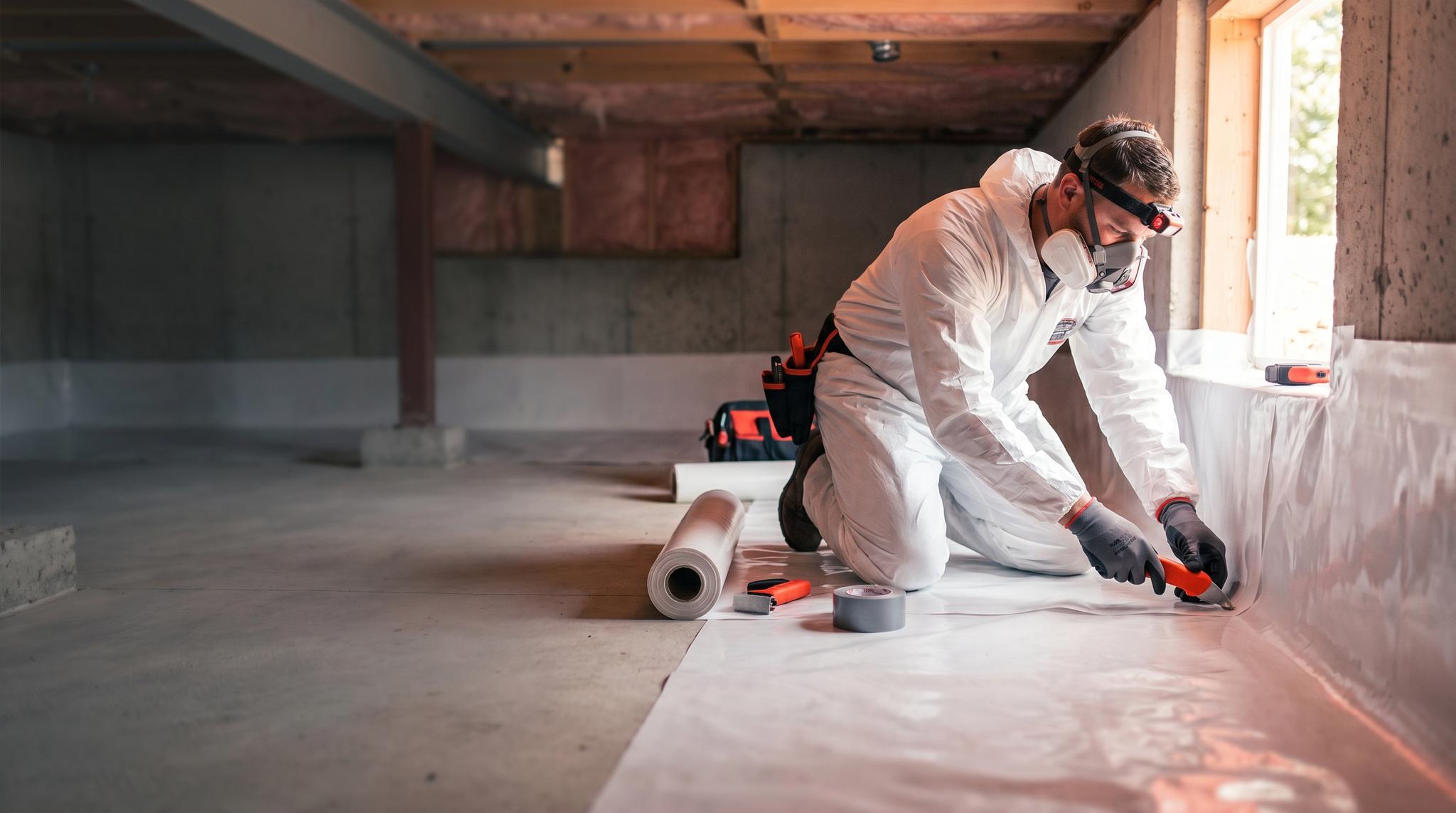
Persistent crawl space moisture is worth fixing properly with a vapor barrier or full encapsulation, because mold under the house eventually affects the air you breathe upstairs.
Need a hand?
Our related services:
Frequently asked questions
Should I run a standalone dehumidifier in summer?
If your AC keeps the house under 50 percent humidity, you do not need one. If specific rooms stay above 55 to 60 percent despite the AC running, a portable dehumidifier in that room is a worthwhile fix while you investigate why the AC is not keeping up.
What temperature should I leave the thermostat at when traveling in summer?
Do not turn the AC off. Set it to 78 to 80 degrees so it still cycles and removes humidity. A sealed Dallas home with the AC off in July can reach mold-friendly humidity in a day or two.